
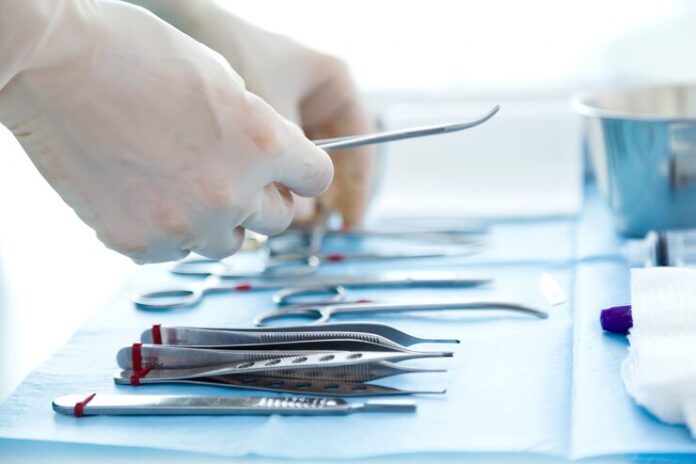
The idea of a surgeon leaving an instrument inside your body sounds like something from a horror movie, but it happens more often than most people realize. Medical professionals call these incidents “retained surgical items” or “never events” because they should never occur. When they do happen, the consequences for patients can be devastating, and the path to justice requires understanding both the medical and legal complexities involved.
The Scope of the Problem
Hospitals across the United States report retained surgical items in approximately one out of every 5,500 surgeries. While this percentage seems small, it translates to roughly 1,500 cases annually nationwide. Sponges account for the majority of these incidents, followed by surgical instruments like clamps, scissors, and needles.
The actual number likely exceeds reported cases because some retained items don’t cause immediate symptoms. Patients might live with foreign objects inside their bodies for months or even years before discovering the error. By that time, the connection between their symptoms and the original surgery becomes harder to establish.
How Do These Errors Occur?
Modern operating rooms follow strict counting protocols. Surgical teams count all instruments, sponges, and needles before surgery begins and again before closing the incision. Despite these safeguards, items still get left behind due to human error, communication breakdowns, and systemic failures.
Emergency surgeries carry a higher risk because time pressure can compromise counting procedures. Obese patients face an increased risk because larger surgical sites make it easier for items to become obscured by tissue. Unexpected complications during surgery distract surgical teams and disrupt normal protocols.
Fatigue plays a significant role in these errors. Surgeons and nurses working long shifts or multiple consecutive procedures experience decreased vigilance. Hospital understaffing exacerbates this problem by forcing medical professionals to work beyond safe limits.
Physical Consequences for Patients
The human body recognizes retained surgical items as foreign objects and mounts an immune response. This reaction causes inflammation, infection, and the formation of scar tissue around the object. Symptoms vary depending on the item’s size, location, and composition.
Infections represent the most immediate danger. Retained sponges can harbor bacteria and create abscesses requiring emergency intervention. These infections can spread to surrounding tissues or enter the bloodstream, causing sepsis that threatens life and requires intensive treatment.
Pain is almost universal among patients with retained surgical items. The pain might be constant or intermittent, sharp or dull, localized or radiating to other areas. Many patients endure months of unexplained pain before imaging studies reveal the cause.
Internal organs can suffer perforation or obstruction from retained instruments. A sponge left in the abdomen can block the intestines, while a sharp instrument can puncture organs as the patient moves. These complications often require additional emergency surgeries to prevent permanent damage or death.
The Diagnostic Challenge
Discovering a retained surgical item isn’t always straightforward. Symptoms often mimic other conditions, leading doctors down wrong diagnostic paths. Patients might undergo multiple tests and treatments for suspected infections, inflammatory conditions, or chronic pain syndromes before anyone considers the possibility of a retained object.
Standard sponges contain radiopaque markers that show up on X-rays, but these markers sometimes fail or aren’t visible, depending on the imaging angle. Instruments should be obvious on imaging studies, but radiologists don’t always look for them if the ordering physician doesn’t mention the possibility.
Patients who develop symptoms long after surgery face particular challenges. Medical providers might not connect current symptoms to a procedure performed months or years earlier. The original surgical team might not have access to current records, and information about counting discrepancies noted during surgery can be lost.
Legal Standards for These Cases
Retained surgical items cases fall under medical malpractice law, but they’re often easier to prove than other malpractice claims. The legal doctrine “res ipsa loquitur,” meaning “the thing speaks for itself,” applies to these situations. Surgical instruments don’t end up inside patients without negligence, making causation relatively straightforward.
However, winning these cases still requires meeting all elements of medical malpractice. You must prove a doctor-patient relationship existed, the medical provider breached the standard of care, this breach directly caused your injury, and you suffered damages as a result.
The standard of care for surgical teams includes proper counting protocols, clear communication, and thorough inspection of the surgical site before closure. Failure to follow these standards constitutes negligence. When hospitals cut corners on safety procedures or fail to address known risk factors, they can be held liable for resulting injuries.
Building a Strong Case
Medical records form the foundation of retained surgical item cases. Operative reports should document the counting process and note any discrepancies. Post-operative records showing your symptoms, treatments, and the eventual discovery of the retained item establish the timeline and consequences of the error.
Imaging studies provide crucial evidence. X-rays, CT scans, or MRIs showing the foreign object, along with radiologist reports confirming its presence, are often the strongest proof. Photographs taken during the removal surgery can be powerful evidence of what was left inside you.
Expert testimony remains necessary even in seemingly obvious cases. Medical experts explain how the error occurred, what protocols should have prevented it, and how the retained item caused your specific injuries. They also calculate the full extent of damages, including future medical needs.
If you’re dealing with complications from a retained surgical item, consulting with top medical malpractice attorneys can help you understand your rights and the compensation you deserve for additional surgeries, lost wages, and ongoing medical treatment.
The Full Cost of These Errors
Financial damages extend beyond immediate medical bills. Patients often require multiple corrective surgeries to remove the object and repair the damage it caused. Each surgery means more time off work, more medical expenses, and more risk of complications.
Long-term consequences can include chronic pain requiring ongoing management, permanent organ damage affecting quality of life, and psychological trauma from the betrayal of trust. Many patients develop anxiety about future medical procedures or experience symptoms of post-traumatic stress.
The emotional toll affects not just patients but their families. Watching a loved one suffer preventable complications, supporting them through multiple hospitalizations, and dealing with the uncertainty of long-term outcomes creates stress throughout the family unit.
Preventing Future Incidents
Hospitals can virtually eliminate retained surgical items through rigorous adherence to safety protocols. Technology like radiofrequency tagging allows real-time tracking of every item used during surgery. Some facilities now use systematic scanning before closing to detect any retained objects.
Creating a culture where any team member can halt a procedure if counts don’t match prevents errors driven by time pressure or hierarchy. Surgical teams work best when every member feels empowered to speak up about safety concerns without fear of retribution.
When errors do occur, honest disclosure and immediate corrective action minimize harm. Patients deserve to know when something went wrong, what’s being done to fix it, and what steps will prevent future occurrences. Cochranlaw understands that while no amount of compensation undoes the harm caused by medical negligence, holding providers accountable drives systemic improvements that protect future patients.