
Key Takeaways
- Organic mulch and compost boost soil health, making trees stronger and more resilient.
- Targeted pruning and natural pest control protect trees without the use of harsh chemicals.
- Correct watering, soil improvement, and innovative planting techniques support healthy root and canopy development.
- Community involvement leads to more vibrant, sustainable urban forestry.
Thriving trees are crucial to healthy communities, enhancing air quality, supporting wildlife, and creating beautiful landscapes. Homeowners and communities alike can support tree health through easy, eco-friendly habits. Whether you’re an urban gardener or a suburban property owner, adopting sustainable practices nurtures your trees for future generations. Often, the attention you give to trees is as vital as regular property maintenance tasks, such as gutter fitting and repair, which help prevent water damage and support a balanced, thriving landscape year-round.
Start with small, mindful changes to your landscaping routine. These tips not only rejuvenate trees but also reduce your environmental impact, promote biodiversity, and invite neighbors to participate in caring for shared green spaces. Read on to discover actionable ways to help your trees flourish, relying on organic, cost-effective methods you can implement today.
Organic Mulching: Nourishing Tree Roots Naturally
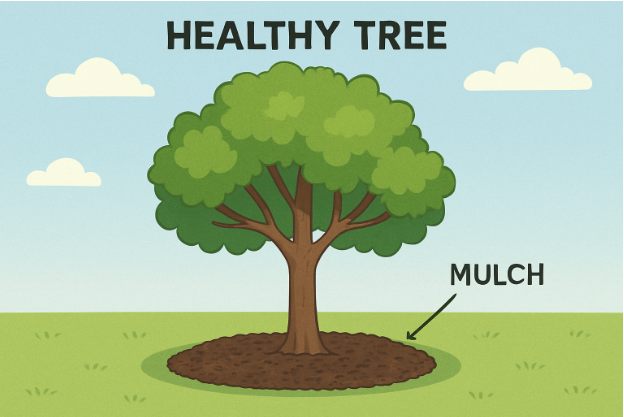
Mulching with organic materials—such as wood chips, bark, or shredded leaves—forms a protective buffer around your tree’s base. This natural covering insulates roots from harsh weather, locks in soil moisture, and gradually adds critical nutrients as it breaks down. Mulch also curbs weed growth, so your trees won’t compete for water and minerals.
Aim to spread mulch in a wide, even layer 2–4 inches deep, but keep it clear of the actual trunk to discourage decay and pests.
Composting: Recycling Waste into Tree Fertilizer
Compost piles transform kitchen scraps and yard waste into dark, crumbly fertilizer. Adding compost beneath your trees feeds the soil with organic matter, benefiting everything from root systems to beneficial soil microbes. Compost helps trees manage drought and resist disease, all while avoiding synthetic fertilizers that can harm local ecosystems.
Collect vegetable peels, grass clippings, coffee grounds, and dry leaves in a corner of your yard. Over time, this pile decomposes into humus, a nutrient-rich substance that boosts the health of your trees. According to the EPA, composting not only reduces waste but also creates healthier garden and landscape environments.
Eco-Friendly Pruning Techniques
Effective pruning shapes a tree’s growth, prevents breakage, and removes damaged limbs. Instead of aggressive shearing, practice selective or “targeted” pruning: only remove crossing, diseased, or crowded branches. This reduces the shock to the tree, preserving its natural shape and protective canopy.
Regular, strategic pruning enhances sunlight penetration and air circulation, preventing fungal infections and fostering robust growth. For mature trees or those near buildings, consult a certified arborist skilled in sustainable pruning, as discussed by the Guardian’s gardening resource.
Natural Pest Management Solutions
Pesticides can disrupt local wildlife and water quality. Instead, encourage beneficial insects, such as ladybugs or lacewings, which prey on aphids and other destructive pests. Natural sprays—such as neem oil or insecticidal soap—ward off invaders without leaving harmful residues.
Monitor your trees for early signs of trouble, like curled leaves or unusual holes, and remove infested branches promptly. Community tree programs sometimes sponsor workshops on natural pest control, helping you protect trees while supporting neighborhood biodiversity.
Proper Watering Practices
Both excessive and insufficient watering can undermine tree health. Best practices include:
- Deep Watering: Soak the soil to a depth of about 6–12 inches, but do so less frequently. Deep watering encourages roots to grow down, building drought tolerance.
- Soil Check: Test the soil by inserting a finger or shovel. Water only when the top few inches of soil feel dry.
- Mulch Maintenance: Maintain a 2–4-inch mulch blanket to conserve moisture and control temperature, but avoid piling it against the trunk.
Soil Health Improvement
Urban soils can become compacted, nutrient-poor, or contaminated. Improve soil health by aerating (loosen gently with a garden fork), mulching, and using compost tea. Limit foot traffic around tree bases and avoid using excess fertilizers or herbicides that can leach into the roots.
Healthy soil retains moisture, supports microbial life, and enables strong root anchorage. Consider periodic soil tests through municipal extension services to tailor nutrient amendments and ensure your trees get the right support.
Community Involvement in Urban Tree Care
Tree health isn’t just a private concern; public verges, parks, and boulevards benefit when neighbors join forces. Neighborhood tree-planting days, educational sessions, and stewardship programs empower more people to notice damage, report concerns, and advocate for urban greening.
Research published by the Washington Post on urban forests highlights that community-led maintenance reduces city costs and increases the health span of city trees.
Innovative Planting Methods
Tree planting is evolving—methods like seed balls (small clay-and-compost pellets with embedded seeds) improve germination by shielding seeds from birds and harsh weather. Deep-pot planting, hydrogel soil conditioners, or nurse shrubs that shelter saplings during establishment further boost tree survival.
These creative strategies are gaining popularity in both reforestation projects and urban landscapes, offering scalable solutions for restoring ecosystems affordably and efficiently.
Implementing these sustainable techniques is a meaningful investment in your property and local environment. By choosing organic, thoughtful tree care, you help ensure a lush, healthy canopy that benefits everyone for decades to come.